The Intricate Relationship Between Humans and Animals
The relationship between human beings and animals is both complex and essential. Humans have domesticated various animals for companionship, work, and food. This interdependence forms a crucial part of societal development.

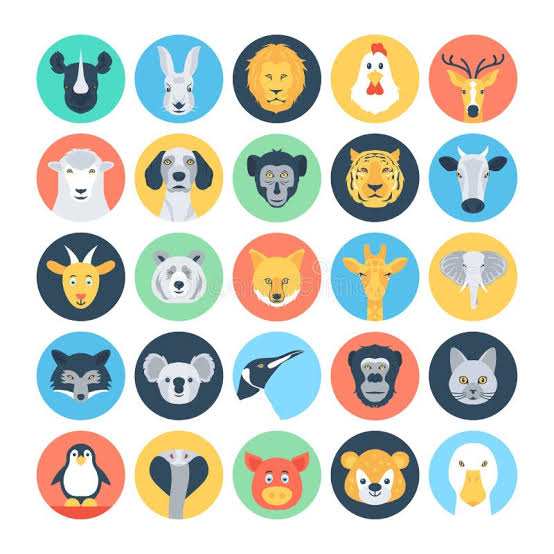

In the wild, human beings and animals coexist and impact each other’s lives. Conservation efforts highlight the importance of preserving animal habitats. By protecting wildlife, humans ensure their own future and that of the ecosystems they share.
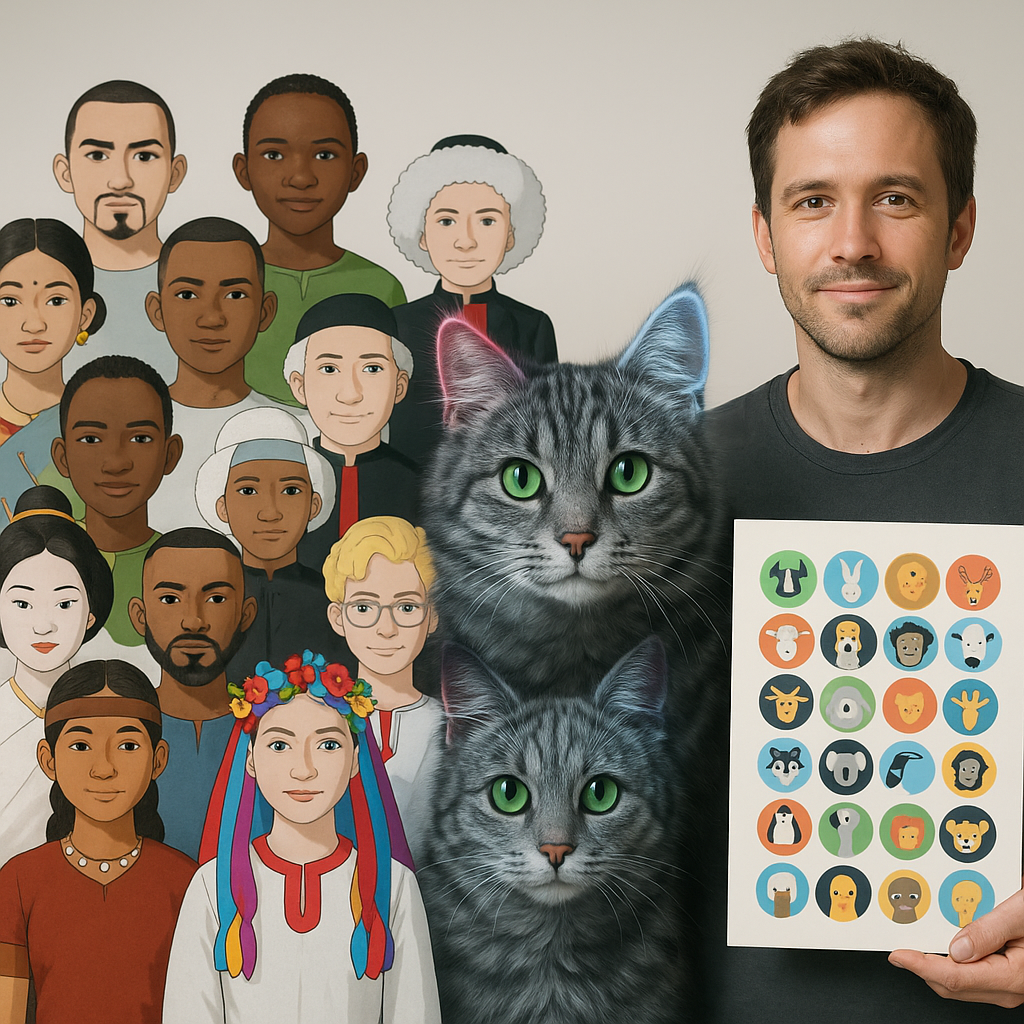
Understanding the Biological Connections
The biological connections between a human being and animal are profound and complex. Both share essential traits that unify them within the animal kingdom. From basic cellular processes to intricate behavioral patterns, the links are evident.
A human being, like animals, depends on a rich ecosystem for survival. This dependence highlights a shared evolutionary history. Furthermore, humans often study animals to understand health, genetics, and behavior, bridging gaps in scientific knowledge.
Human beings and animals experience emotions and social interactions. Many species display behaviors that mirror human traits, such as empathy and cooperation. This understanding highlights the importance of preserving our ecosystem.
Shared Evolutionary History
The shared evolutionary history between human beings and animals reveals fascinating connections. Both have adapted over millions of years, shaping their physical and behavioral traits. This alliance is evident in genetic similarities and shared instincts.
Human beings and animals experience emotions and social interactions. Many species display behaviors that mirror human traits, such as empathy and cooperation. This understanding highlights the importance of preserving our ecosystem.
A deep dive into the study of evolution demonstrates how both human beings and animals continue to influence each other. Changes in one species can impact the other, promoting adaptability and survival. Recognizing these links encourages respect and admiration for all living creatures.
Similarities in Physiology and Behavior
Human beings and animals share many physiological and behavioral similarities. Both experience basic emotions such as joy, fear, and anger. This emotional response is crucial for survival in various situations.
Anatomically, human beings and animals exhibit comparable body structures. For example, hearts and lungs function similarly across species. These physiological systems ensure essential processes like breathing and blood circulation occur effectively.
Moreover, social behaviors are prominent in both human beings and animal communities. Many animals display social bonding, cooperation, and communication. This reflects the evolutionary benefits of working together, much like human interactions in societies.
Understanding these similarities helps in appreciating the interconnectedness of life.
Impact of Human-Animal Interactions
Human beings and animals share a unique bond that impacts both species significantly. These interactions foster emotional connections and improve mental well-being for humans. Many studies indicate that pet ownership reduces stress and enhances happiness.
Animals also benefit from human interactions. They gain companionship and care. In return, human beings often experience the joy of nurturing and responsibility.
Furthermore, human-animal interactions can lead to advancements in therapy and rehabilitation methods. Programs that include animals assist individuals with disabilities or mental health issues. Thus, the impact of human beings and animals plays a crucial role in promoting a healthy society.
Benefits of Companion Animals to Human Health
Companion animals significantly benefit human beings’ health. They provide emotional support, reducing stress and anxiety levels. The presence of an animal can help improve mental well-being, promoting feelings of happiness.
Furthermore, interaction with animals encourages physical activity. Walking a dog or playing with a cat can increase exercise levels, which is essential for human beings. This physical engagement helps maintain a healthy lifestyle.
Additionally, pets can enhance social connections. They encourage human beings to engage with others, providing opportunities for interaction. This can be especially beneficial for those who feel isolated, thereby improving overall health.
The Role of Animals in Human Society
The interaction between human beings and animals is fundamental to our society. Animals serve various roles, from companions to workers. Human beings often rely on animals for food, transportation, and various forms of labor.
Pets provide emotional support, enhancing the quality of life for many human beings. The bond between these animals and their owners often leads to companionship that nurtures mental health. Additionally, service animals assist human beings with disabilities, showcasing the strong connection between them.
In agriculture, animals are crucial. They help in farming and livestock production, directly impacting food supply for human beings. Thus, the role of animals is vital in various aspects of human life, underscoring the importance of coexistence in our society.